
Meetings


SICB Annual Meeting 2011
January 3-7, 2011
Salt Lake City, UT
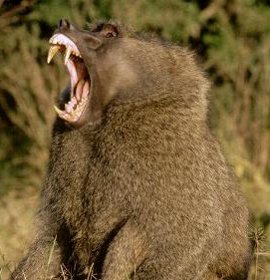
This symposium will highlight a new database, the Feeding Experiments End-User Database (FEED), which serves as the first digital repository for comparative physiologic data. FEED is specifically aimed at promoting data archiving and sharing of electromyographic and associated measurement data collected during mammalian feeding, including drinking, mastication, and swallowing. While the current focus of FEED is on mammalian feeding, our ultimate intention is to allow all researchers studying feeding in other groups to utilize the database. Thus, we also hope that FEED will serve as a model for the development of additional (and coordinated) databases focusing on feeding physiology in other vertebrate groups. To this end, we will use this symposium to introduce and promote the database to the many SICB attendees studying feeding in non-mammals. Talks in the symposium are largely collaborative to facilitate comparative synthetic analyses and integration of existing data in FEED. The talks include a diversity of topics and species to highlight current gaps in our understanding of the physiology of mammalian feeding and inspire new uses for existing data.
II. Sponsors
This symposium is sponsored by the following SICB divisions: DCPB, DNB, DSEB, DVM
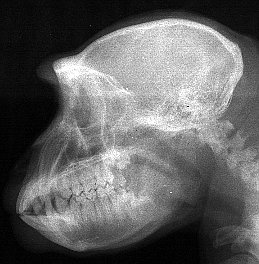
A primary goal of this symposium is to present synthetic studies of the physiology of mammalian feeding that will draw from multiple original studies archived in the Feeding Experiments End-User Database (FEED). A second goal is to highlight FEED as a model for data archiving and sharing among comparative physiologists, functional morphologists and biomechanists to generate new avenues of research. Talks will center on following four main topic areas:
- Modularity and integration in the mammalian masticatory apparatus.
- Evolution and conservation of mammalian feeding motor patterns.
- The comparative ontogeny of mammalian feeding.
- The correlation between movement, muscles and morphology during chewing.
Organizers
- Susan H. Williams, Ohio University
- Christine E. Wall, Duke University
- Rebecca Z. German, Johns Hopkins University
- Christopher J. Vinyard, Northeast Ohio Universities College of Medicine